

Nestlé’s Digital Recipe: Conquering the Food & Beverage Market
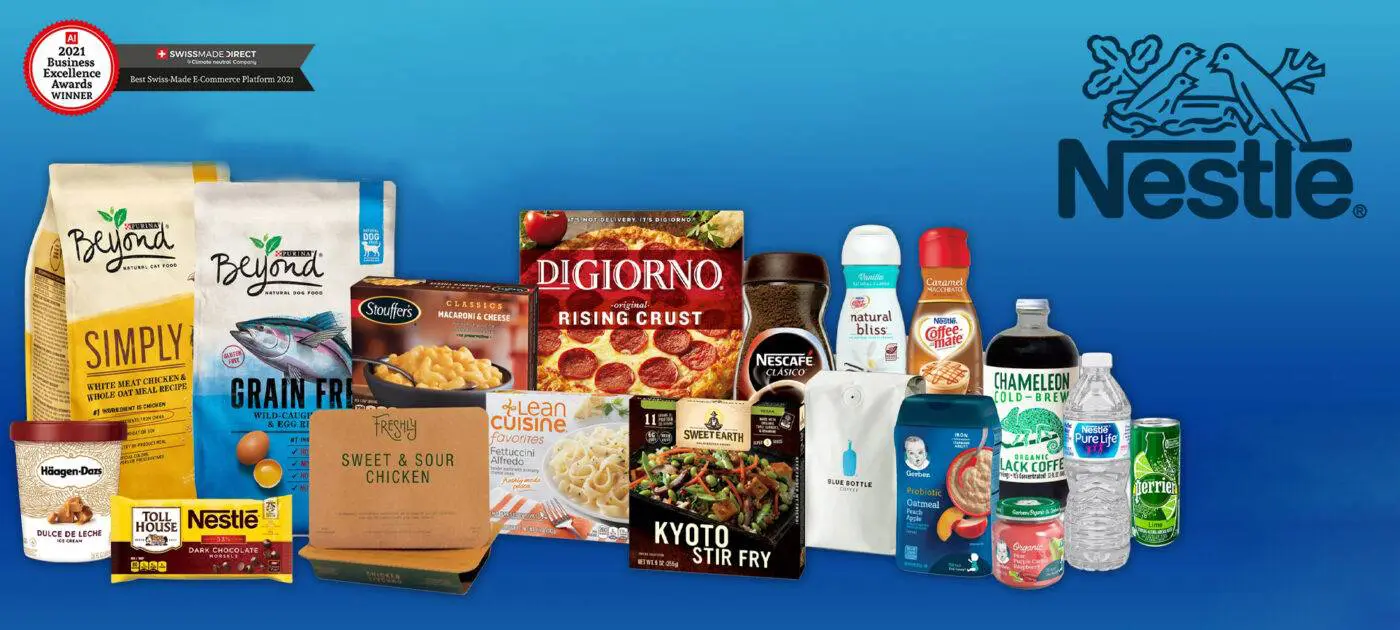
Nestlé, the world’s largest food and beverage company, has built an empire over 150 years. With a presence in 186 countries, its scale is immense. But in an era of disruption, legacy is not enough. Nestlé is securing its future through a sophisticated digital strategy, proving that even giants can be agile. This is a story of how a tailored digital transformation is setting a new benchmark for the entire food and beverage industry.
Key Takeaways
- Customized Strategy is Crucial: Nestlé avoids a one-size-fits-all approach, tailoring its digital strategy to the unique needs of each business unit.
- Technology Solves Real-World Problems: The company leverages tools like sales force automation and data analytics to tackle complex challenges like supply chain logistics and specialized channel management.
- A Blueprint for the Industry: Nestlé’s journey provides a model for how large enterprises can use digital transformation to become more efficient and customer-focused.
The Challenge: A Diverse Global Portfolio
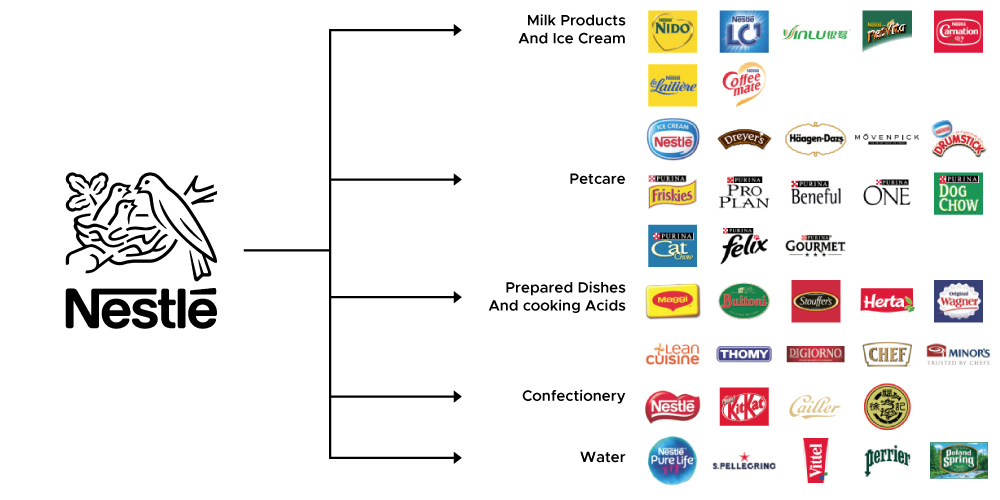
The core of Nestlé’s operational challenge is diversity. The company isn’t a single entity but a collection of distinct business units, each with its own market dynamics, from traditional retail to specialized professional channels.
The Solution: Tailored Digital Transformation in Action
Nestlé’s success lies in its customized approach. By deeply understanding the operational realities of each division, the company implements targeted digital solutions that drive real results.
Case Study 1: Nestle Water Division
The water business is defined by complex logistics and direct-to-consumer relationships. The digital strategy focuses on:
- Route Optimization: Using logistics software for dynamic delivery routing, which reduces fuel costs and improves delivery times for homes and offices.
- Supply Chain Transparency: Leveraging IoT and blockchain to track water from its source to the consumer, ensuring quality and purity.
- Subscription Management: Building mobile apps and online portals that allow customers to easily manage their delivery subscriptions.
Case Study 2: Nutrition Division
In the nutrition space, scientific credibility and consumer trust are paramount. The digital transformation here is about:
- Consumer Education: Creating rich content platforms and digital communities to share nutritional science in an accessible and engaging way.
- Personalization at Scale: Using data analytics to offer personalized product recommendations and nutritional plans for different life stages.
- Professional Engagement: Building digital tools to support and engage with healthcare professionals who recommend the products.
The Impact: A More Agile and Resilient Nestlé
By investing in a nuanced Nestle digital transformation, the company is building a more efficient and resilient organization. The benefits include increased efficiency from sales force automation, data-driven decisions from analytics, and enhanced customer-centricity across all channels.
Frequently Asked Questions (FAQ)
1. What is the core of Nestlé’s digital strategy?
Nestlé’s strategy is built on creating customized digital solutions for each of its unique business units, rather than using a single, uniform approach. This allows them to effectively address specific challenges for each division.
2. How does sales force automation help Nestlé?
Sales force automation empowers Nestlé’s sales teams with mobile tools and real-time data. This helps them manage retail execution, optimize sales routes, and build stronger relationships with customers, ultimately driving efficiency and sales effectiveness.
3. Why is digital transformation so important for the food and beverage industry?
The food and beverage industry faces challenges like complex supply chains and shifting consumer preferences. Digital transformation allows companies to become more agile, data-driven, and efficient, enabling them to respond faster to market changes.