
How Digital Tools Transformed Unilever’s Retail Success
Consumer goods companies are facing the complex distribution networks in today’s rapidly changing markets conditions.
Any global player would dream to distribute their business globally, while also adapting to local market needs.
The market leader in personal care and home care like Unilever is adapting to new digital capabilities.
Unilever has strategically deployed digital solutions across its emerging markets. By implementing, this global CPG giant has significantly enhanced their organizational efficiency while driving measurable performance growth in complex retail environments.
This has successfully demonstrated how digitalization can revolutionize FMCG/CPG’s retail operations.
The Market Challenges
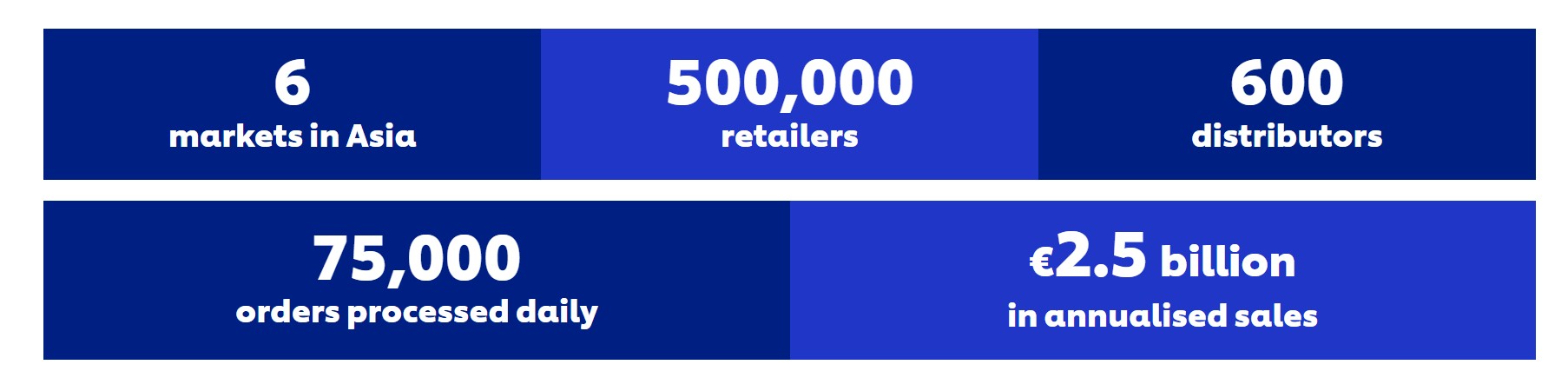
Facing fragmented distribution networks and millions of mom-and-pop retailers, here’s the classic FMCG hurdles: manual ordering inefficiencies, limited distributor visibility, and inconsistent in-store execution. How to connect the distribution network made of 500,000+ retailers, 600 distributors, and 6,000+ sales reps?
Automated Ordering Driving Unilever’s Success
Digitize orders from demand to delivery covering the whole distribution value chain, from demand generation to order capture, fulfilment and customer service. This enables the company to processes 75,000 digital orders daily, supporting annual sales revenue of €2.5 billion.
Supporting Mom-and-Pop Retailers
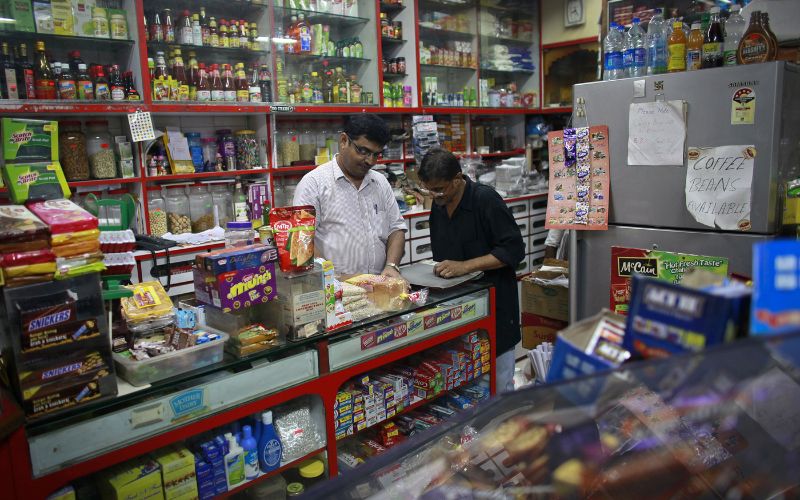
In most emerging markets, mom-and-pop stores remain the primary sales channel for household staples. These huge number of small retail stores typically rely on visits from sales reps to order and replenish stock from time to time.
In addition, they may struggle with unreliable deliveries and limited access to the best promotions and prices.
To support these retailers and help them sell more, Unilever implemented and gave them an B2B app to place orders by themselves as sales reps. They can simply use their mobile phones to browse the full product catalogue and shopping like any online shop. Moreover, they could access personalized discounts and offers, and self-order the stock they need, when they need it, 24/7.
The impact on sales and self-service convenience is significant. Sales staff also feel the app makes their work easier. Unilever even see an increase in the Net Promoter Score – which measures how likely retailers are to recommend their products and services to others

Leveraging data and AI to drive customer loyalty and sales
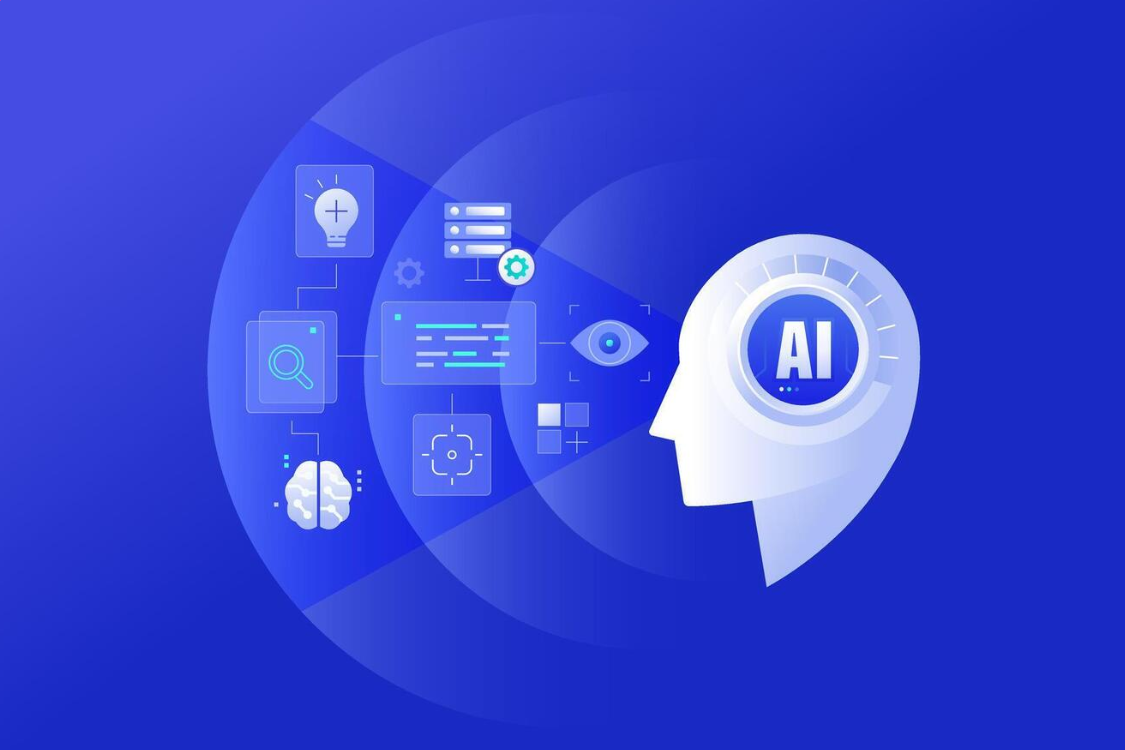
Sales reps access real-time insights and AI-driven product assortment recommendations with their mobile app. It can help sales reps make the most of a 15–20 minute retailer visit, transforming brief interactions into strategic engagements with retail customers to further drive productivity and growth.
By utilizing AI modelling, management could have a greater understanding of what shoppers are likely to buy; in any specific geographic regions, in any channel, any store type, at any price or promotion conditions.
Unilever’s Operational Improvements
Digital transformation for Unilever has yielded concrete results:
- £2.5 billion in annualized sales
- Improved Net Promoter Scores across key markets
- 7.6% projected annual growth in mom-and-pop channel penetration
- Streamlined ordering reducing sales rep administrative burden
- Enhanced forecast accuracy through consolidated data
Bring Unilever-Grade Solutions to Your Business
While Unilever built a custom platform, the core technologies and solution powering their transformation are accessible to FMCG/CPG companies of all sizes through Route-to-Market digital transformation specialized providers.
The Path Forward
Unilever’s success proves that digitalization isn’t just operational upgrades – they’re growth accelerators that strengthen entire value chains. As emerging markets continue to drive global FMCG growth, solutions combining SFA for Unilever-level insights, robust Distributor Management, and intelligent Route-to-Market strategies become competitive imperatives for all players.