
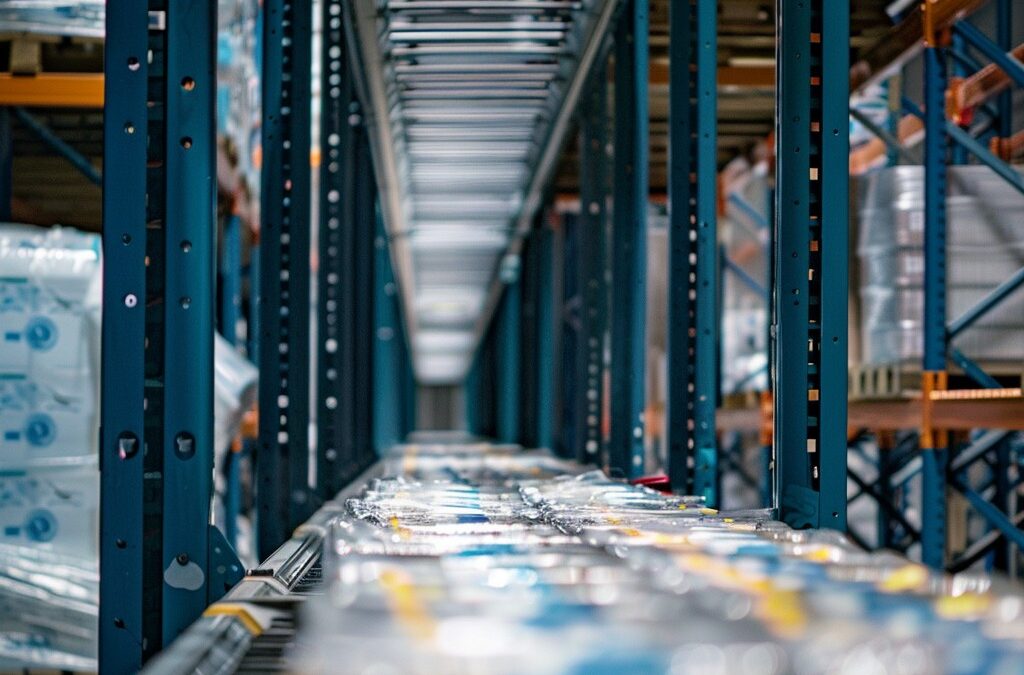
AI Warehouse Audit: How CPG Brands Verify Distributor Stock
An AI warehouse audit is a photo-based check in which computer vision recognizes the products, quantities, and product share sitting inside a distributor’s warehouse, compares them against what the brand’s records claim, and generates the audit report automatically. It exists because distributor stock records and physical reality rarely match, and because manual stock audits are slow, expensive, and easy to work around. For CPG brands, it turns inventory truth from a quarterly audit event into a five-minute routine on a phone.
Why do distributor stock records drift from reality?
Every CPG brand that sells through distributors lives with the same quiet gap. The system says one number; the warehouse shelf says another. Because a distributor management system records what was *invoiced*, not what is physically sitting on the racks, the two drift apart from day one.
The causes are mostly ordinary, which is exactly why they are hard to stop. Goods get damaged in handling and stay in the system as sellable stock. Cartons expire in a corner of the warehouse and nobody rotates them out. Returns come back from retailers and never get booked. Slow-moving SKUs pile up behind fast movers and quietly become dead stock. And then there is the deliberate side: when a claim, a rebate, or a sales incentive hangs on how much stock is “in the channel,” there is a standing reason to over-report it. Third-party stock audit firms in markets like India have publicly described cases where a large share of recorded stock turned out to be expired or damaged but was still shown as active inventory — findings that only surfaced because someone finally counted.
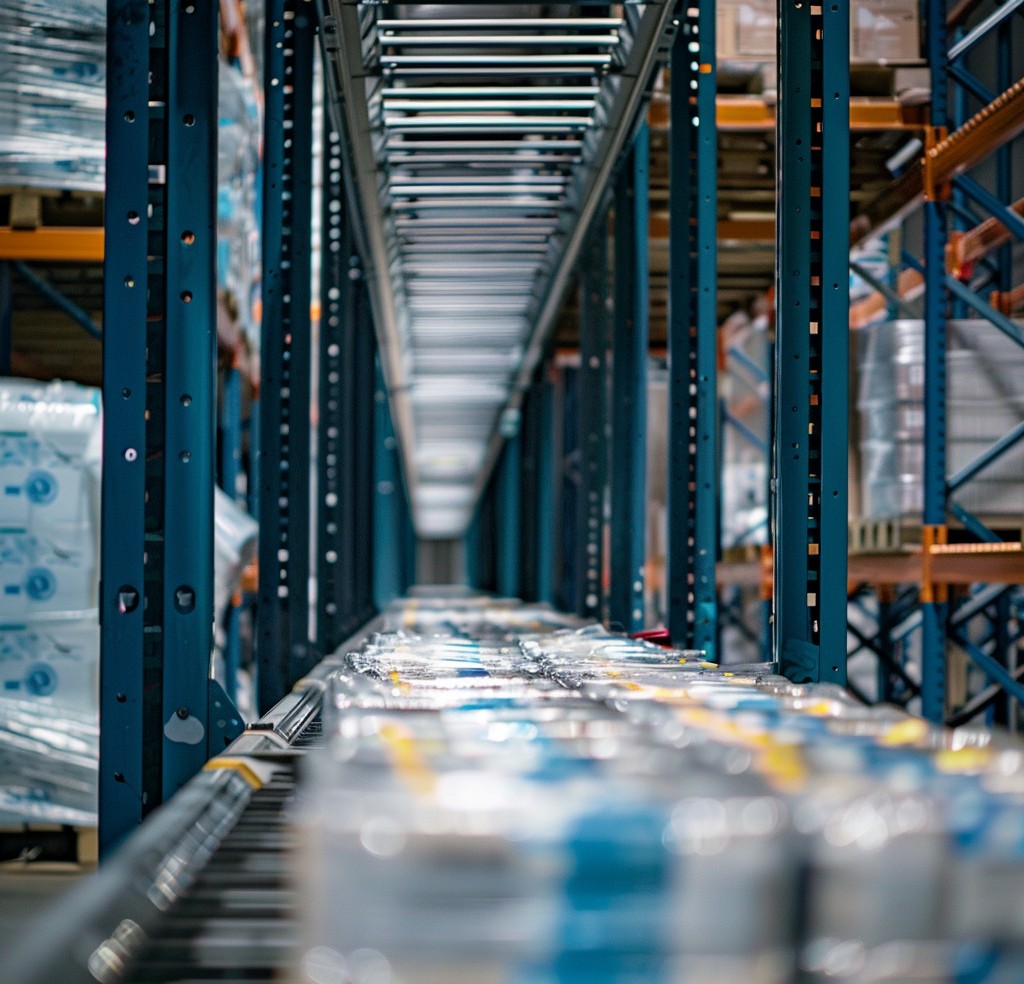
The hidden cost of phantom inventory
Phantom inventory does real damage downstream, and none of it shows up on a single invoice. Replenishment plans built on inflated stock records under-order, so the brand loses sales it thought it already had. Trade promotion reviews use the same records, so promo ROI gets judged on numbers that were never true. Finance carries credit exposure against stock that does not exist. McKinsey’s work on AI in distribution operations notes that leading distributors now use AI to cut inventory levels by 20 to 30 percent while improving fill rates — but every one of those gains rests on knowing what stock is actually there. You cannot optimize inventory you cannot trust, so the counting problem comes first.
What Is an AI warehouse audit?
An AI warehouse audit applies computer vision to this counting problem. Instead of sending auditors with clipboards and barcode scanners, the brand asks for photos. A field rep, a distributor’s own staff, or a scheduled audit workflow captures images of the warehouse racks and stock areas. The AI then recognizes which products are visible, estimates quantities and facings, computes each product’s share of the recorded stock, and generates an audit report that reconciles against the brand’s own records.
In practice, the output answers the questions a sales director actually asks: Does the distributor hold the stock the system says they hold? Which SKUs are overstocked, which are missing, and which have quietly expired? Is stock being staged only for audit day and dispersed afterward? Because the audit rides on the same platform that captures daily field activity, it can run continuously on a sample of visits rather than as a disruptive annual event — which is precisely the shift Gartner describes in its 2026 analysis of AI and computer vision replacing manual inventory counting: the value is not counting faster, it is removing the counting work altogether.
What the AI sees in a warehouse photo
The recognition layer is doing several jobs at once. It identifies products by brand, pack, and variant — distinguishing, say, a 500 ml PET bottle from a 1.5 l one on the same rack. It counts facings and cartons to estimate quantity. It flags damaged or expired-looking stock for follow-up. And critically for CPG, it distinguishes your products from competitors’ products sitting in the same distributor warehouse, because distribution share inside the warehouse is a leading indicator of what will appear on store shelves next month.

How Does an AI warehouse audit work in the field?
The workflow is deliberately simple, because the people capturing the evidence are field reps and distributor staff, not auditors. A working rollout has four steps.
Step 1: Set the audit scope before anyone picks up a phone
Decide which distributors, which SKUs, and which claim types the audit covers. Most brands start narrow — top distributors, the SKUs tied to an active promotion or a dispute — then widen the scope once the reconciliation patterns are understood. The scope lives in the platform, so the app knows exactly what a rep is expected to capture when they open the audit task.
Step 2: Capture the photos — and prove they are real
The rep walks the racks and takes photos inside the distributor’s warehouse, including in low-connectivity sites where uploads queue and sync later. Here is the part most checklist apps skip: photo evidence can be faked with a screenshot or an old picture, so every audit photo passes replay detection. If the system recognizes the image as a replayed or recaptured photo rather than a live shot of the rack, it flags the submission before it pollutes the report. Honest reps are protected, and the dishonest path gets expensive.
Steps 3 and 4: Reconcile against the DMS and act
The AI processes the photos, produces per-SKU counts and share, and the platform reconciles them against the distributor’s recorded stock in the DMS. Variances surface immediately — missing stock, unrecorded returns, excess slow movers, expired goods still on the books. From there the workflow branches into action: the distributor disputes a count through an appeal and the photo gets re-reviewed, or the brand corrects its records, adjusts a claim, or triggers replenishment based on what is actually on the rack. The report is generated automatically, so the audit trail — who photographed what, when, and where — comes for free.
AI warehouse audit vs manual stock count: What actually changes?
The honest comparison is not AI versus humans; it is what each method can realistically cover at distributor scale.
| Dimension | Manual audit firm | Rules-based scanning (barcode/checklist) | AI warehouse audit |
|---|---|---|---|
| Time per site | Days to weeks | Hours | Minutes per photo pass |
| Coverage | Sample of distributors, quarterly at most | Sites with scanners and trained staff | Any site with a phone; runs on routine visits |
| Fraud resistance | Dependent on auditor presence | Weak — a scanned substitute passes | Flags replayed or recaptured photos automatically |
| Data captured | Totals per SKU | Totals per SKU | Products, quantities, share, competitor presence, damage flags |
| Cost profile | Per-audit engagement fees | Hardware plus training | Included in the field platform |
| Audit trail | PDF report after the fact | Partial | Photo, time, and location attached to every count |
For brands running third-party audits today, the pattern that works is hybrid: continuous AI audits on the wide distributor base, with manual verification reserved for the outliers the AI surfaces.
How eBest runs AI warehouse audits inside the DMS
eBest treats the AI warehouse audit as one scene in a full route-to-market chain rather than a standalone app, which is what makes the numbers reconcile. The audit capability recognizes product types, quantities, and product share on warehouse shelves, then auto-generates the audit report for brand activity management — and because it sits inside the same platform as the distributor management system, every count lands directly against the records it is meant to verify.
Two adjacent capabilities make the evidence trustworthy. First, the same AI image recognition engine that reads store shelves — with a rep-side appeal workflow when it misreads a photo — also reads warehouse stock, so one recognition standard covers both sides of the trip. Second, replay detection is built into every photo step, so the audit photo of the rack is provably a live capture. Teams that run DSD routes can layer audits onto the direct store delivery workflow, since the van that replenishes stores is also the natural photo point for the warehouse it loads from. Beverage and FMCG networks eBest works with — including brands operating Coca-Cola and Carlsberg distribution-scale systems — run thousands of daily visit photos through this pipeline, which is what turns audit from an event into a habit. Results from brands running the broader platform are qualitative but consistent: cleaner reconciliation, faster claim validation, and fewer arguments about what the channel actually holds. To see how audits fit into a wider execution stack, start with client success stories.
Frequently Asked Questions
What is an AI warehouse audit in FMCG?
It is a photo-based inventory verification in which a phone camera captures the distributor’s warehouse racks and computer vision recognizes the products, quantities, and share of stock visible. The system reconciles those counts against the brand’s records and generates an audit report automatically. Unlike a manual stock audit, it can run on routine field visits instead of requiring a special audit event, so the brand gets continuous visibility into whether distributor stock matches the books.
How accurate is the image recognition?
Accuracy is highest when photos follow a consistent capture pattern — racks face-on, adequate lighting, one bay per frame — and the AI flags low-confidence reads instead of guessing. Equally important, the workflow is not blind trust: when a rep believes the AI misread a photo, they file an appeal, the image is re-reviewed, and the corrected result updates the report. That human-in-the-loop correction loop is what keeps the numbers converging on reality over time instead of drifting.
Does it work offline in low-connectivity warehouses?
Yes. Distributor warehouses are frequently concrete basements and steel racks where signal is poor, so capture runs offline-first: photos and audit data queue on the phone and sync when connectivity returns. The recognition happens server-side after sync, so the rep’s workflow stays the same whether they are in a metro DC or a rural stockist. This matters because audits that only work on good Wi-Fi quietly stop being performed in exactly the warehouses that need them most.
How is a warehouse audit different from a shelf audit in stores?
A shelf audit checks what is *on display* at the retail end — facings, planogram compliance, out-of-stocks, POSM. A warehouse audit checks what is *in stock* at the distribution end, one step earlier in the chain. The two answer different questions: shelf audits explain why a store looks the way it does; warehouse audits explain whether the distributor could have supplied it at all. Brands running both get a connected view — a persistent shelf gap with adequate warehouse stock points to an execution problem, while a gap that starts in the warehouse points to supply.
How long does a rollout take?
Because the audit rides on the existing field-sales app rather than a separate tool, the practical rollout is scope-setting and training, not a new deployment. A typical start: define the SKU list and distributor sample, brief reps on capture patterns, run audits on routine visits for four to six weeks, and review reconciliation variances before widening scope. Brands already operating the platform for daily visit reporting tend to treat the warehouse audit as a configuration step on top of workflows their teams use every day.
The stock you cannot see is the stock you keep paying for — in write-offs, in claims, and in forecasts built on fiction. An AI warehouse audit closes that gap with something every field rep already carries, and it keeps the evidence honest in a way clipboard audits never could. If distributor reconciliation is on your agenda this year, the counting problem is the right place to start.
Ready to Transform Your Distribution Network?
Discover how an AI-powered distributor management system can help your CPG company eliminate stock-outs, optimize inventory across multi-tier networks, and protect revenue.