
Consumer Goods Insights
Sales Force Automation Software for CPG Companies (2026)
Published on May 25, 2026 · ~11 min read
Quick Answer
Sales force automation software for CPG companies is a specialized digital platform that replaces manual field sales processes with mobile-first, AI-powered tools. It helps consumer goods brands optimize store visit schedules, capture real-time retail execution data, and generate intelligent sell-in recommendations — directly driving revenue growth through improved territory coverage, higher shelf compliance, and increased average order value.
How Sales Force Automation Software for CPG Companies Drives Revenue Growth
For decades, consumer packaged goods companies have managed field sales through a combination of paper orders, phone calls, and weekly reports that arrive too late to change anything. As retail competition intensifies and profit margins tighten across the CPG industry, this outdated approach no longer delivers. Sales force automation software for CPG companies changes the game entirely. By equipping field representatives with mobile-first, AI-driven tools, CPG brands gain real-time visibility into every store visit, every shelf configuration, and every order — transforming raw field data into measurable revenue growth. Whether you operate through distributors, wholesalers, or direct store delivery, the right SFA platform can unlock millions in untapped revenue. In this guide, we explore how modern SFA technology goes beyond basic data collection to become a true revenue engine, examining the capabilities that matter most and the real-world results achieved by global CPG leaders.
Image 1:
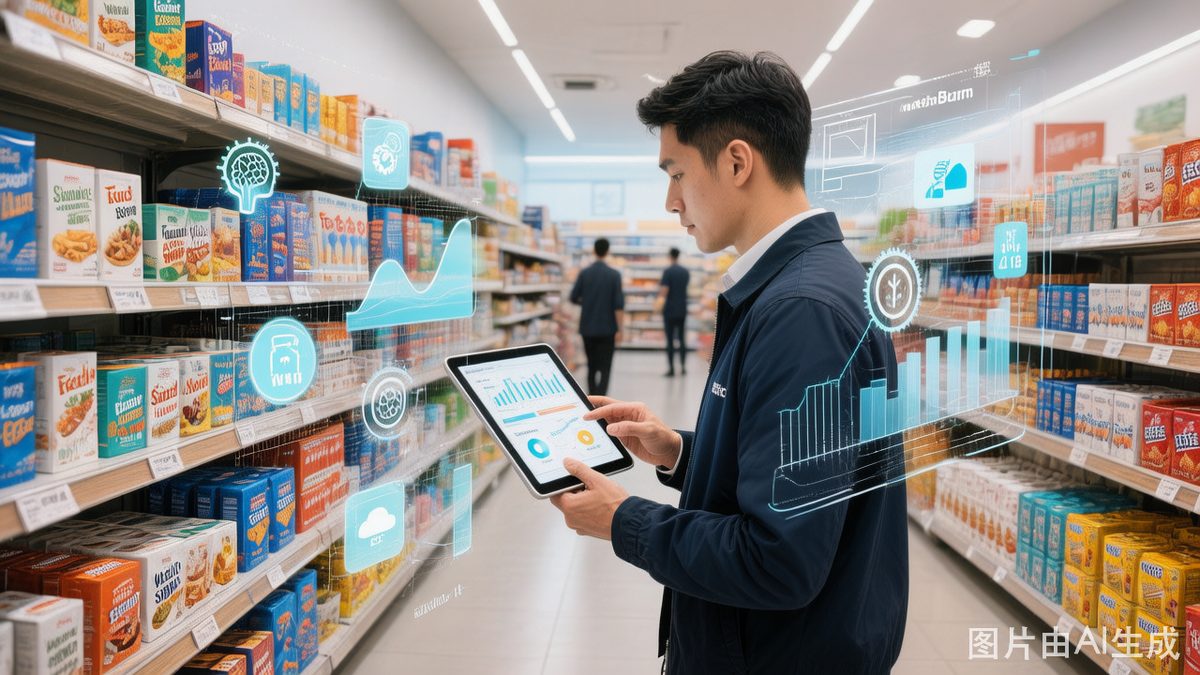
– Alt Text: Field sales representative using sales force automation software for CPG companies on a tablet in a retail store
– Image Prompt (EN): Professional photograph of a CPG field sales representative in a retail store aisle, holding a tablet displaying a sales force automation dashboard with store visit checklist and order form. Clean, bright lighting. eBest brand blue (#0056A8) accent on the tablet interface. Background shows supermarket shelves with consumer packaged goods. Natural, candid style. 1200x630px, 16:9 aspect ratio. No text overlays, no people faces clearly visible.
– Image Prompt (CN): 专业摄影:一名快消品(CPG)现场销售代表站在零售店货架通道中,手持平板电脑,屏幕上显示着销售自动化(SFA)仪表盘,包括门店拜访清单和订单表单。明亮干净的光线,平板界面带eBest品牌蓝色(#0056A8)点缀。背景是超市货架上陈列的消费品包装。自然、真实的抓拍风格。1200x630px,16:9比例。无文字覆盖,无清晰人脸。
The Revenue Gap in Traditional CPG Field Sales
Traditional field sales operations suffer from a fundamental information gap. When sales representatives record store visits on paper or spreadsheets, critical data about shelf share, competitor activity, and promotional compliance simply disappears. Consequently, sales managers make decisions based on incomplete information — often days or weeks after store visits have already occurred. Furthermore, without standardized visit protocols, store coverage becomes inconsistent, and high-potential outlets are frequently overlooked. This lack of visibility creates a direct revenue leak: missed orders, understocked shelves, and lost promotional opportunities that compound across hundreds or thousands of retail touchpoints. As a result, addressing this gap is not merely an operational improvement — it is a revenue imperative for any CPG brand operating at scale.
Key Capabilities of Sales Force Automation for CPG Revenue Growth
Modern sales force automation software has evolved far beyond simple visit tracking. Today’s platforms incorporate artificial intelligence, real-time analytics, and integrated workflows that directly impact the bottom line. In addition, the best solutions are purpose-built for the unique demands of CPG route-to-market operations — not generic CRM platforms retrofitted for field sales. As you evaluate options, focus on these revenue-driving capabilities.
Image 2:
– Alt Text: Diagram showing how sales force automation software for CPG companies connects field reps, distributors, and brand managers
– Image Prompt (EN): Clean corporate diagram illustrating the three-layer architecture of a modern sales force automation platform for CPG: Field Rep Layer (mobile app, offline mode, route planning) → Distribution Layer (DMS integration, stock visibility, order routing) → Brand Layer (analytics dashboard, AI insights, TPM integration). Use eBest brand blue (#0056A8) as primary color, white background, professional flat design with subtle icons. 800x600px. No text-heavy sections — use visual metaphors.
– Image Prompt (CN): 简洁的企业级图表,展示面向快消品(CPG)的现代销售自动化平台三层架构:现场代表层(移动应用、离线模式、路线规划)→ 分销层(DMS集成、库存可视、订单路由)→ 品牌层(分析仪表盘、AI洞察、TPM集成)。主色使用eBest品牌蓝(#0056A8),白色背景,专业扁平设计,搭配细腻图标。800x600px。避免文字密集区域——使用视觉隐喻表达。
AI-Powered Route Optimization
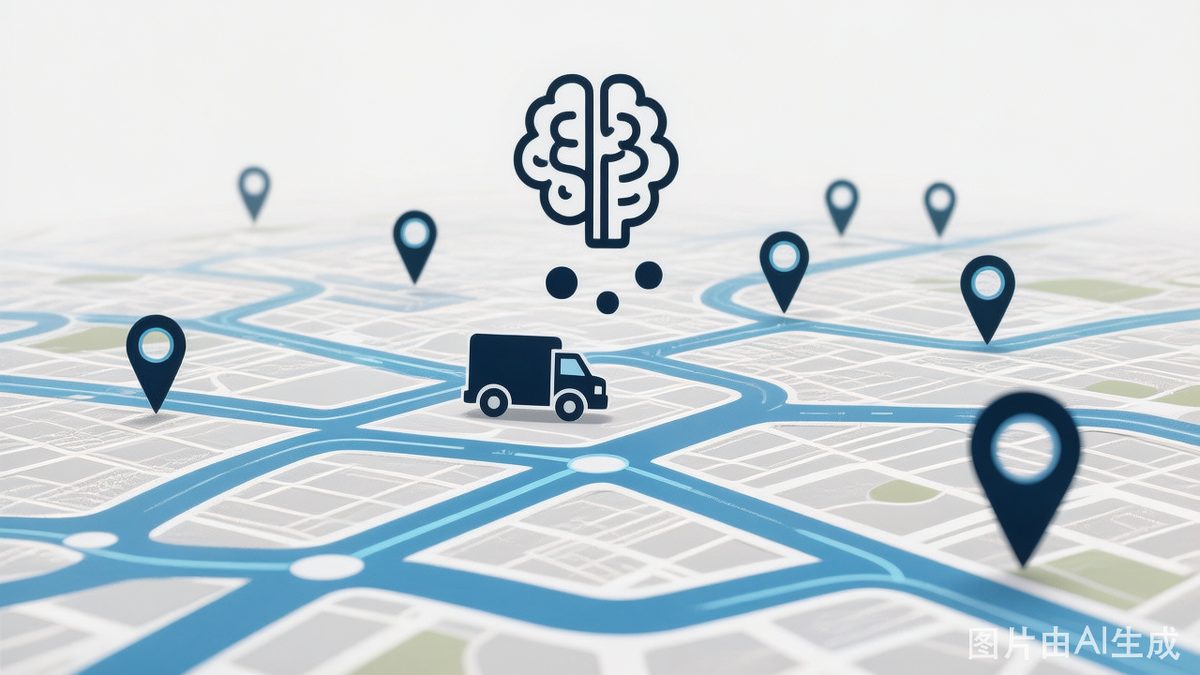
One of the most immediate revenue impacts of sales force automation software for CPG companies comes from route optimization. Instead of assigning territories based on geography alone, AI-powered routing algorithms analyze historical sales data, store potential scores, visit frequency requirements, and even real-time traffic conditions. Consequently, field representatives spend less time driving and more time selling. According to McKinsey research on CPG digital transformation, smart route planning can reduce travel time by up to 25 percent while increasing daily store visits by a significant margin. For a mid-sized CPG brand with 500 field representatives, this efficiency gain translates directly into thousands of additional revenue-generating store visits per week. Moreover, dynamic rerouting capabilities allow supervisors to adjust schedules instantly when unexpected opportunities or issues arise — ensuring no high-value outlet goes uncovered.
Smart Sell-In Suggestions
Another revenue-critical capability is AI-driven sell-in recommendation. Rather than relying on a representative’s memory or intuition for order quantities, the SFA platform analyzes each store’s purchase history, current inventory levels, seasonal trends, and comparable store performance to generate data-backed order suggestions. As a result, order accuracy improves substantially, and the risk of both overstocking and stockouts decreases. This is especially valuable for CPG brands managing complex product portfolios across thousands of retail touchpoints. When combined with promotional plan integration, smart sell-in tools also ensure that trade promotions are properly executed at the store level — a persistent challenge that Gartner’s analysis of sales force automation identifies as a major source of trade spend leakage in CPG organizations. By embedding intelligence directly into the order-taking workflow, CPG brands capture revenue that would otherwise be lost to guesswork and manual errors.
Perfect Store Execution and Image Recognition
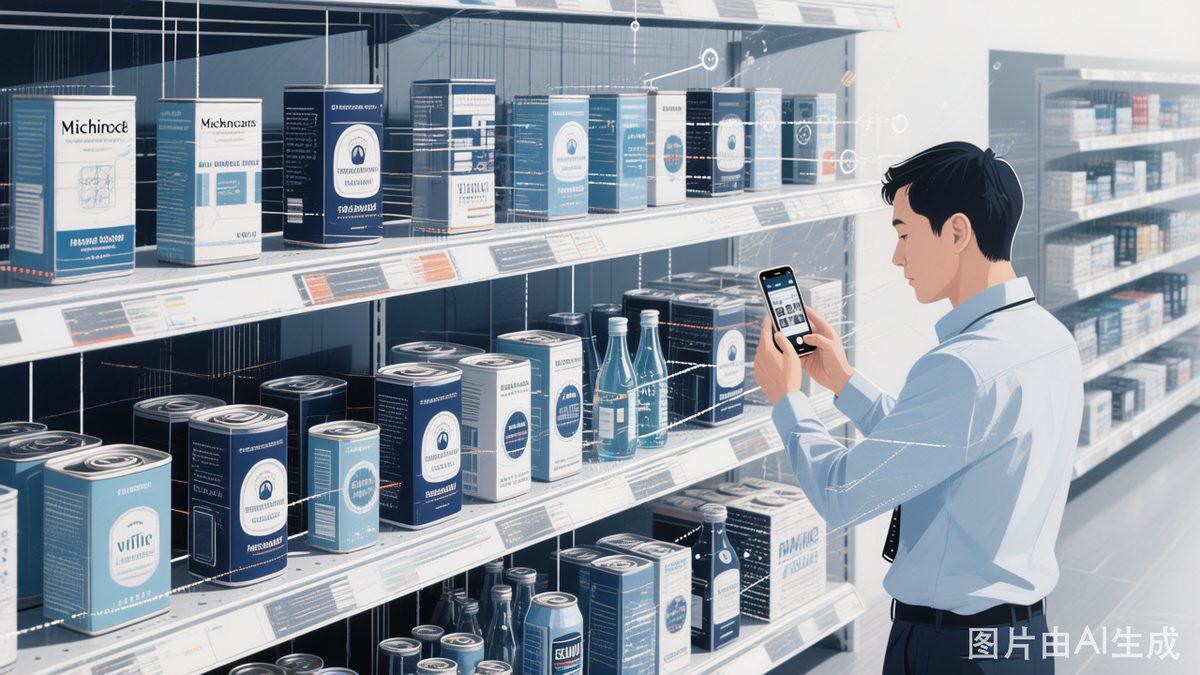
Retail execution quality — shelving positions, planogram compliance, promotional display setup — directly correlates with sell-through rates. Nevertheless, monitoring these metrics across thousands of outlets has historically required expensive third-party audits conducted infrequently. Modern sales force automation software for CPG companies changes this dynamic through AI-powered image recognition. Field representatives simply take photos of shelves during routine store visits, and the platform automatically analyzes shelf share, competitor positioning, out-of-stock situations, and promotional display compliance. Furthermore, this visual data feeds into a real-time dashboard that brand managers can monitor across entire regions, enabling rapid corrective action. The revenue impact is twofold: NielsenIQ retail execution studies consistently show that higher shelf compliance means products are available when shoppers want them, and consistent planogram execution helps brands negotiate better placement with retailers.
How eBest Helps CPG Companies Achieve Revenue Growth
Unlike generic enterprise SFA platforms, eBest builds its sales force automation software specifically for the CPG industry — drawing on over two decades of experience partnering with global consumer goods leaders. The platform integrates field sales, distributor management, and trade promotion into a unified route-to-market stack, eliminating the data silos that fragment most CPG sales operations. Real-world deployments demonstrate the impact: a leading global food and beverage company deployed eBest’s SFA software across eight business units, equipping more than 10,000 field representatives with AI-powered tools covering smart routing, image recognition for shelf compliance, and intelligent order suggestions. The result was substantially improved store coverage across 2 million retail touchpoints and measurable revenue uplift from better retail execution. Similarly, a multinational consumer goods manufacturer adopted our integrated SFA software for CPG field sales teams and distributor management system for FMCG, going live with over 10,000 users in a phased rollout that delivered immediate improvements in visit compliance and order accuracy. Explore more CPG digital transformation case studies to see how leading brands are achieving measurable results with purpose-built sales technology.
Frequently Asked Questions
Q1: What is sales force automation software for CPG companies, and how is it different from generic CRM?
Sales force automation software for CPG companies is a mobile-first platform purpose-built for consumer goods field operations — unlike generic CRM tools such as Salesforce, which are designed for B2B account management. The fundamental difference lies in the workflow: CPG field sales involves retail store visits, shelf audits, order capture, and promotional compliance checks, not pipeline management. Purpose-built SFA software for CPG integrates route planning, offline data capture, photo-based shelf audits, and distributor management — capabilities that generic CRM platforms simply do not provide out of the box. Moreover, the best CPG-specific SFA platforms incorporate AI features like smart sell-in suggestions and image recognition that are uniquely tailored to consumer goods retail execution contexts, driving measurably higher ROI than adapted enterprise tools.
Q2: How quickly can CPG companies expect to see ROI from implementing SFA software?
Most CPG companies begin seeing measurable improvements within three to six months of deploying sales force automation software. Early wins typically come from improved visit compliance and order accuracy — areas where moving from paper to digital immediately closes data gaps. Within the first year, many organizations report substantially higher store coverage, reduced travel costs from route optimization, and increased average order value driven by AI-powered sell-in suggestions. The timeline depends on several factors, including the scale of deployment, existing technology infrastructure, and change management effectiveness. However, companies that choose platforms purpose-built for CPG — rather than generic tools requiring extensive customization — typically achieve ROI faster due to pre-configured industry workflows and faster user adoption among field teams.
Q3: How does AI route optimization work in sales force automation software for field sales?
AI route optimization in sales force automation software processes multiple data layers to generate the most revenue-productive visit schedule for each field representative. The algorithm considers store potential scores (derived from historical sales data), visit frequency requirements by outlet tier, travel distances and traffic patterns, appointment windows, and even promotional calendar events. Unlike static routing rules, AI-powered optimization continuously learns from actual visit outcomes — for instance, if a particular outlet consistently generates higher orders on Tuesday mornings than Friday afternoons, the system adjusts accordingly. The result is not just reduced driving time but smarter resource allocation: high-potential stores receive optimal visit timing while lower-priority outlets are consolidated efficiently. This capability has become a major revenue lever for CPG brands managing dense retail networks across multiple regions.
Q4: Can SFA software work for CPG companies that sell through distributors rather than directly?
Absolutely. In fact, many of the most sophisticated deployments of sales force automation software for CPG companies operate in distributor-driven models. Modern SFA platforms integrate with distributor management systems to provide brand visibility into secondary sales data — showing what distributors are actually selling to retailers, not just what the brand ships to distributors. Field representatives can capture orders on behalf of distributors, check distributor stock levels during store visits, and route orders through the appropriate distribution partner. This integration ensures that even in indirect distribution models, CPG brands maintain visibility into retail execution quality, shelf conditions, and competitive activity at the store level. The key is selecting a platform that supports both SFA and DMS functionality natively, eliminating the need for fragile third-party integrations between separate systems.
Q5: What should CPG companies look for when comparing SFA software providers?
When evaluating sales force automation software for CPG companies, prioritize five criteria. First, verify the platform is purpose-built for CPG route-to-market — not a repurposed B2B CRM. Second, assess offline capabilities: field representatives often work in areas with unreliable connectivity, so the platform must function fully offline with automatic synchronization. Third, examine the AI features — route optimization, sell-in suggestions, and image recognition are no longer optional; they directly drive revenue outcomes. Fourth, confirm the platform integrates distributor management and trade promotion management natively; fragmented point solutions create data silos that undermine the entire purpose of automation. Finally, evaluate the vendor’s CPG domain expertise — ask for case studies, request references from companies in your specific vertical, and verify their understanding of your route-to-market model before committing to a deployment.
Q6: What is SFA for FMCG?
SFA for FMCG is sales force automation software built for fast-moving consumer goods field operations: mobile-first visit management, order capture, shelf audits, and route planning across thousands of retail outlets, including offline-first coverage for emerging markets. It differs from generic CRM because the unit of work is the store visit, not the sales pipeline.
Conclusion
Modern sales force automation software for CPG companies has evolved from a simple digitization tool into a strategic revenue platform. The combination of AI-powered route optimization, intelligent sell-in suggestions, and automated perfect store execution transforms field sales from a cost center into a measurable growth driver.
– Jumpstart field revenue by equipping teams with AI-driven sales force automation software for CPG companies that optimizes every store visit.
– Close the execution gap by replacing manual reporting with real-time retail visibility across all channels.
– Future-proof your RTM with an integrated platform that connects SFA, DMS, and TPM in a single CPG-native ecosystem.
Ready to transform your CPG route to market? Explore our SFA solution or get in touch to discuss your field sales automation needs.