
The Future of Adult Beverage Marketing: Driving Engagement in a Challenging Economy
In today’s volatile economic landscape, adult beverage brands face unprecedented challenges. Rising prices, shifting consumer priorities, and intentional shopping habits are reshaping the industry. Based on comprehensive data from Inmar Intelligence, including first-party grocery insights and custom surveys, this blog explores how brands can adapt to remain relevant and drive growth. For fast-moving consumer goods (FMCG) professionals, understanding these dynamics is crucial to staying competitive.
The Evolving Consumer: Intentionality and Economic Pressure
Modern consumers are scrutinizing every purchase, with non-essentials like adult beverages often being the first to go when budgets tighten. Over 75% of shoppers now make lists before grocery trips, and 82% include adult beverages on these lists. However, nearly 60% decide on the specific brand or product while in-store, highlighting that intent doesn’t guarantee loyalty. Economic stress drives behaviors such as using digital coupons—nearly half of consumers have used them for adult beverages—leading to switches from preferred brands or outright removal of items from carts. This intentionality means brands must engage consumers early in the planning phase but also secure decisions at the critical point of purchase.
Key Challenges in Adult Beverage Marketing
Challenge 1: Fragmented Brand Loyalty
Brand equity alone no longer ensures cart placement. Consumers are increasingly willing to swap or drop adult beverages, with 41% having switched to lower-priced alternatives recently. This reflects a broader trend where “want-based” categories are reconsidered first during financial constraints.
Challenge 2: Inefficient Messaging and Targeting
A significant portion of advertising is wasted: 83% of non-buyers are exposed to adult beverage ads, and 85% say these ads don’t influence them. Over frequency can reduce purchase intent, as potential buyers are more likely to respond to occasional rather than frequent messaging. This underscores the need for refined targeting to avoid fatigue and maximize ROI.
Challenge 3: Fluid Consumer Preferences
Adult beverage consumption is highly situational.61% of consumers change their habits by season, 80% adapt for holidays or occasions, and 50% prefer different beverages at home versus bars. This variability makes it difficult to deliver the right message at the right time, requiring brands to be agile across dayparts, settings, and channels.

Strategies for Success: Reaching the Modern Consumer
Strategy 1: Leverage Occasion-Based Marketing
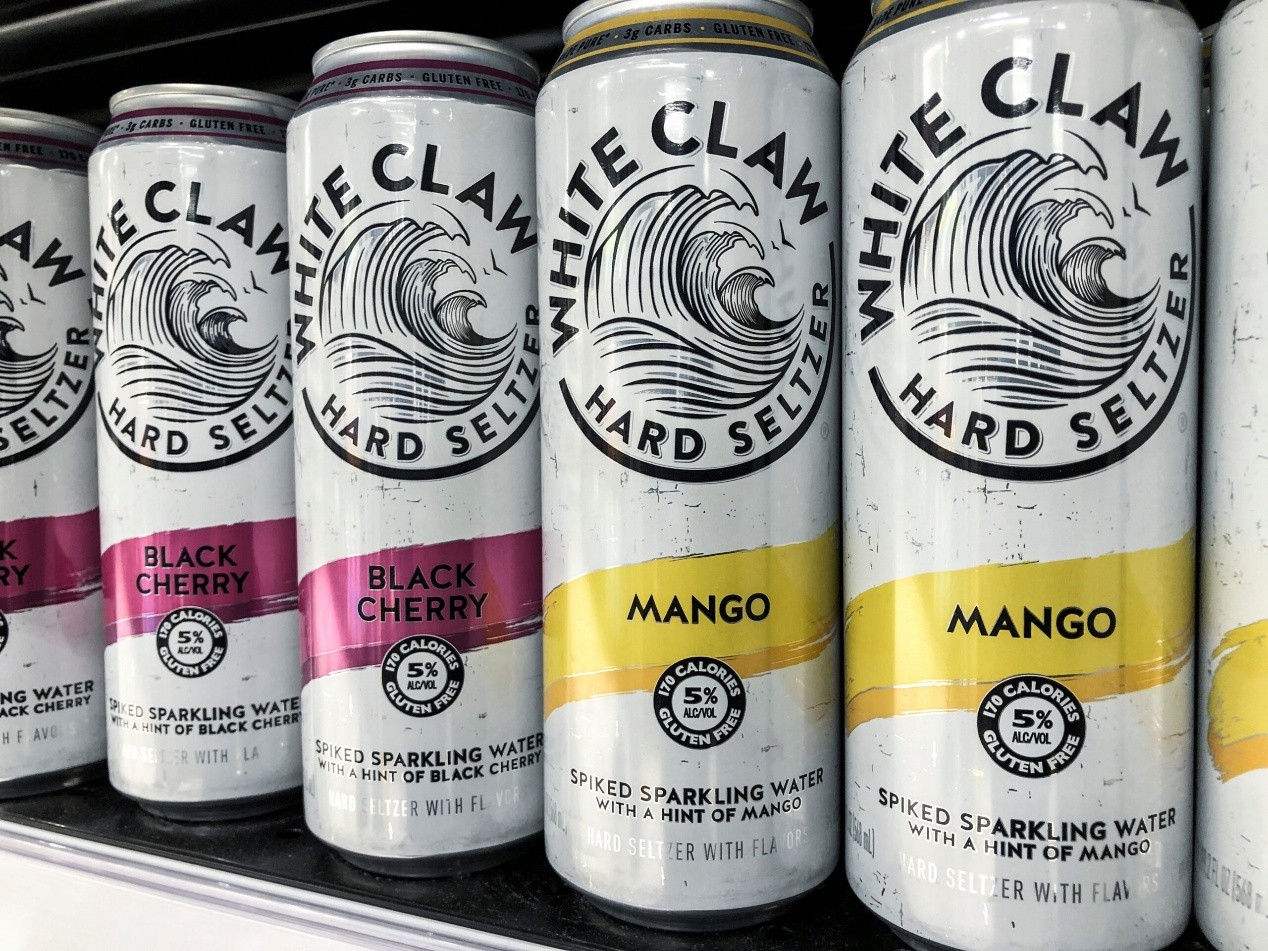
Connect brands to meaningful moments, such as weekends, sports events, or social gatherings. For example, White Claw Surge successfully drove trial by aligning with consumption-driven occasions like food-related events. This approach helps brands stay top-of-mind when decisions are made.
Strategy 2: Refine Targeting and Personalization
Use past purchase data to focus on “yes” or “maybe” audiences, such as light or lapsed buyers, while avoiding never-drinkers. Serve targeted incentives like cash-back offers and tailor multichannel creative content by mindset. As Sami Leibow from Mark Anthony Brands notes, “Reach without relevance is noise.” Partnering with experts who measure incrementality ensures performance over mere reach.
Strategy 3: Build Flexibility into Portfolios
Products that span formats or ABV ranges to suit different scenarios—such as at-home versus out-of-home consumption—will outperform siloed SKUs. Encourage trial through bold, occasion-relevant creative and measure results to adapt quickly.
Case Study: White Claw Surge – Driving Trial Through Relevance
The Goal: Increase awareness and consideration for White Claw Surge by targeting high-intent consumers during key moments, like weekends and food occasions.
The Solution: Deploy eye-catching display ads during receptive periods to inspire consumption and drive sales.
Results: The campaign generated over 1.97 million attributable directly to the effort, a ROAS of $6.24, and a rich media CTR of 2.5%. This demonstrates the power of precise timing and creative alignment with consumer occasions.
Conclusion: Adapting for Future Growth
Consumers haven’t stopped buying adult beverages; they’ve simply become more selective. Brands that thrive will be those that embrace flexibility—connecting to meaningful occasions, targeting likely buyers, and adapting messaging across channels. By combining incentives, data insights, and intentional strategies, FMCG professionals can turn economic challenges into opportunities for sustained growth. As the industry evolves, the key lies in moving beyond broad reach to foster genuine relevance.
Source: Inmar Intelligence Surveys (2024-2025). For more insights, visit www.inmar.com.